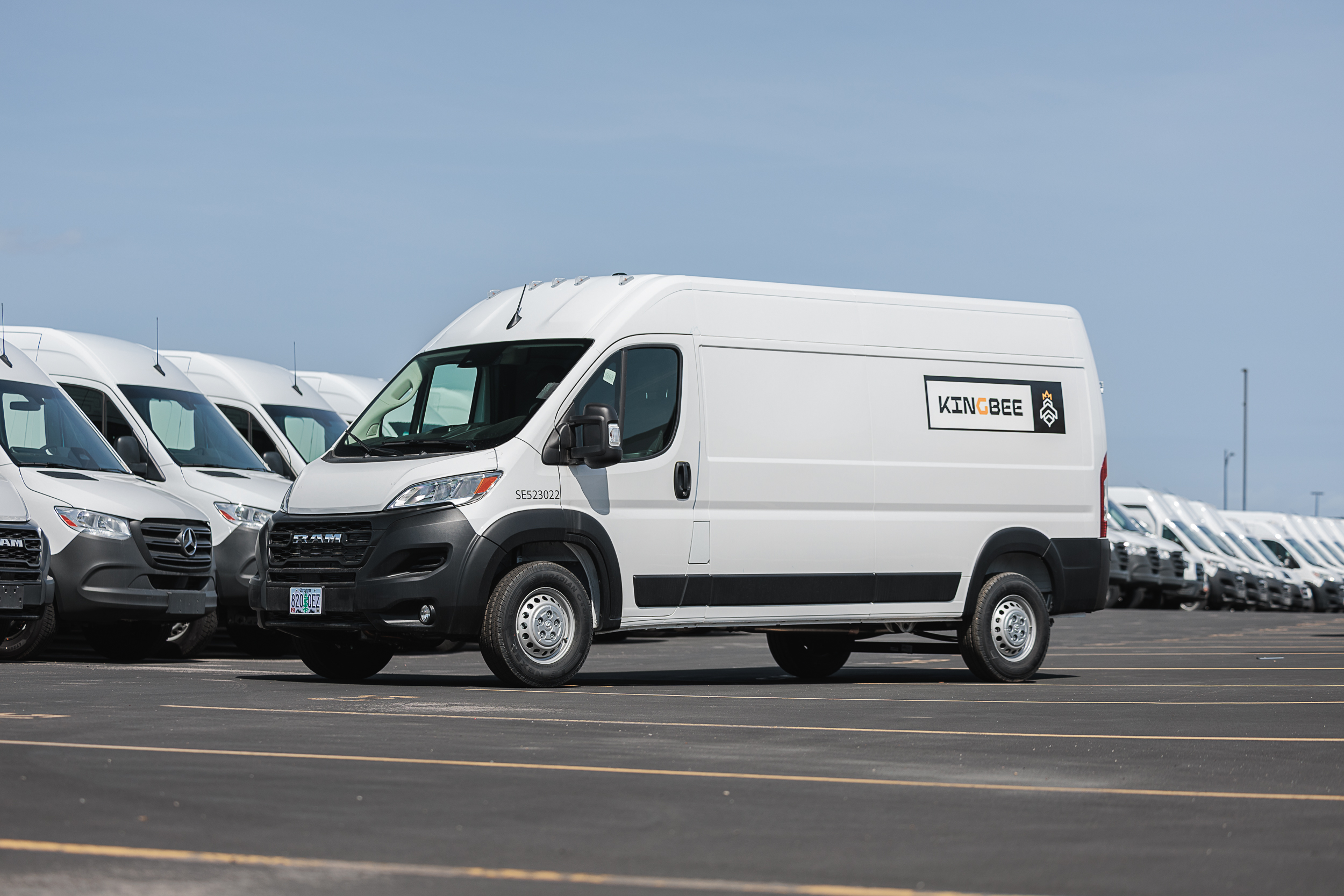
Pythagoras once said “choices are the hinges of destiny,” and he was either talking about triangles or the decisions that fleet managers have to make when considering assets that affect cash flow, borrowing power, and a company’s ability to grow.
Smart fleets aren’t asking how many vehicles they own. They’re asking how each vehicle is impacting the business. Newly purchased vehicles sit on the balance sheet as depreciating assets, tying up capital and increasing leverage over time. Rental vehicles don’t. They stay off the balance sheet, preserving working capital and improving borrowing capacity when it matters most.
To Rent Is a Dollar Well Spent
Ask your fleet manager if they’re okay because data from the Fleet Technology Report indicates that volatile maintenance expenses, tighter access to capital, and pressures from seasonal demand don’t appear one at a time, they accumulate. When the going gets tough, renting your vehicles in addition to purchasing and leasing helps you maintain financial control.
Aging vehicles are one of the most consistent sources of budget overruns. Older vans can quietly drain more than $10,000 per year through maintenance, downtime, and lost productivity. Kingbee rentals stay new, which means you can kiss unexpected repairs goodbye and keep operating costs steady. Our vans are also available quickly, keeping your crew on schedule and your work moving forward. A good van is hard to find, but a reliable one? That’s something special.
Ownership comes with a capital burden that many fleets underestimate. Purchased and leased vehicles increase leverage and make it harder to raise capital for growth initiatives. Because Kingbee rentals remain off balance sheet, fleets can preserve their borrowing capacity and keep capital available for higher-impact priorities such as hiring, expansion, technology, or market entry instead of sitting idle in depreciating assets.
Flexibility brings stability, especially for fleets in seasonal industries. Renting allows fleets to increase capacity during peak periods without committing to assets that sit underutilized when work slows. When demand drops, you can return your rentals and scale down costs accordingly. That ability to match fleet size to real demand creates certainty during uncertain times, and that certainty is invaluable.
A Simple ROI Example: 10-Van Seasonal Deployment
Consider a contractor that needs 10 vans for a four-month busy season. Purchasing those vehicles could require roughly $500,000 in upfront capital, followed by months of waiting for the vehicle to be delivered. When the season ends, those vans remain on the books, often underutilized for the rest of the year.
With rentals, there is much less upfront capital investment, monthly costs remain fixed and predictable, and the vehicles are returned when demand normalizes. Even before factoring in reduced maintenance and opportunity cost, renting avoids locking half a million dollars into assets that aren’t producing revenue year-round.
Van Procurement Is Broken
Fleets that want to purchase vans with shelving, partitions, and ladder racks can procure vehicles a few different ways. They can factory-order new vehicles, buy from dealers, or use a fleet management company (FMC) to lease vehicles for the long-term. These vehicles must then be sent to an upfitter, then shipped to a wrap shop, and finally, delivered to the customer—a process that can take 6–8 months and leave you unable to complete jobs and meet crucial deadlines.
The pros and cons of purchasing vs leasing vs renting must be weighed against your business goals and financial strategy. Purchasing or leasing may leave you less able to adapt to sudden fluctuations in the market caused by shifting market forces. However, if you need vans quickly, cannot afford to deplete your borrowing capacity by carrying vehicles on your books, are not comfortable committing to long-term assets, and cannot stomach the loss of productivity from not having the right equipment, then Kingbee is the answer for you.
Case Study: Solar Installer Rents Vans for Emerging Markets
Sunrun, one of the largest solar installers in the nation, experienced rapid growth between 2021 and 2023. Despite already operating an expansive fleet, they needed additional vehicles to expand into new markets and to cycle out aging units that were becoming costly to maintain.
COVID-era supply chain disruptions made traditional procurement nearly impossible. Vehicles weren’t arriving on time, maintenance costs were mounting, and downtime threatened revenue. For a business where vans are essential to completing jobs, even a single down day can translate into hundreds or thousands of dollars in lost revenue.
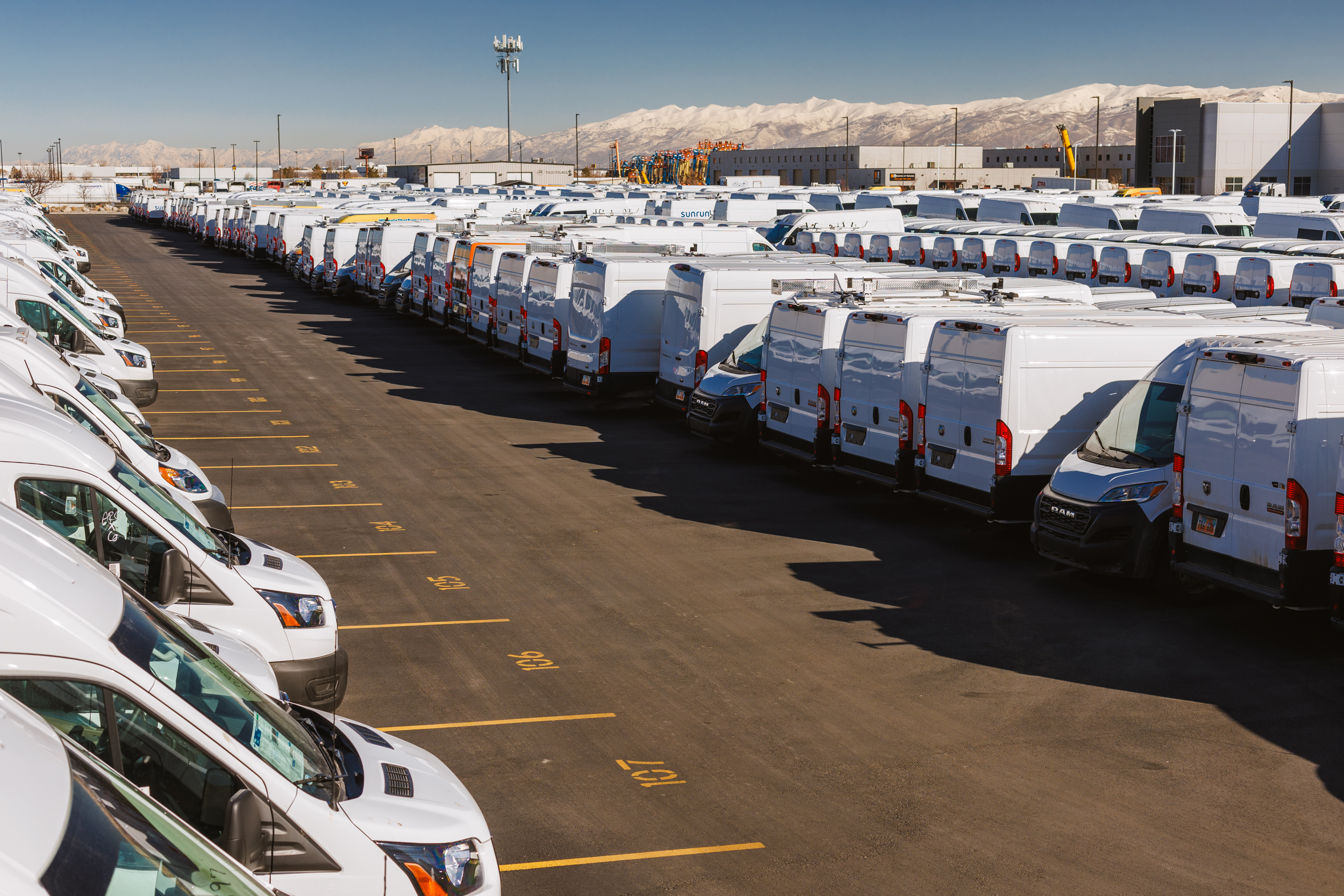
Kingbee killed two birds with one stone. Immediate access to hundreds of available vans allowed the company to sustain new market growth, while fully upfitted vehicles ensured crews were productive from day one. With in-house upfitting and wrapping, Kingbee delivered work-ready vans faster than any other commercial vehicle provider in the nation. Since their first order in 2021, Kingbee has continued to serve as their flexible, low-risk provider of fleet capacity. More than 500 vehicles have been delivered, often in batches of 100 units within 30 to 40 days, helping the company maintain momentum while avoiding unnecessary financial exposure.
Kingbee Puts the Van in Advantage
Buying vehicles isn’t always the answer. Sometimes the smartest move is to minimize cost and maximize utilization, keeping your fleet light, flexible, and ready for whatever comes next. If you need to replace aging units without downtime or expand into new markets without long-term commitment, renting helps you adapt quickly.
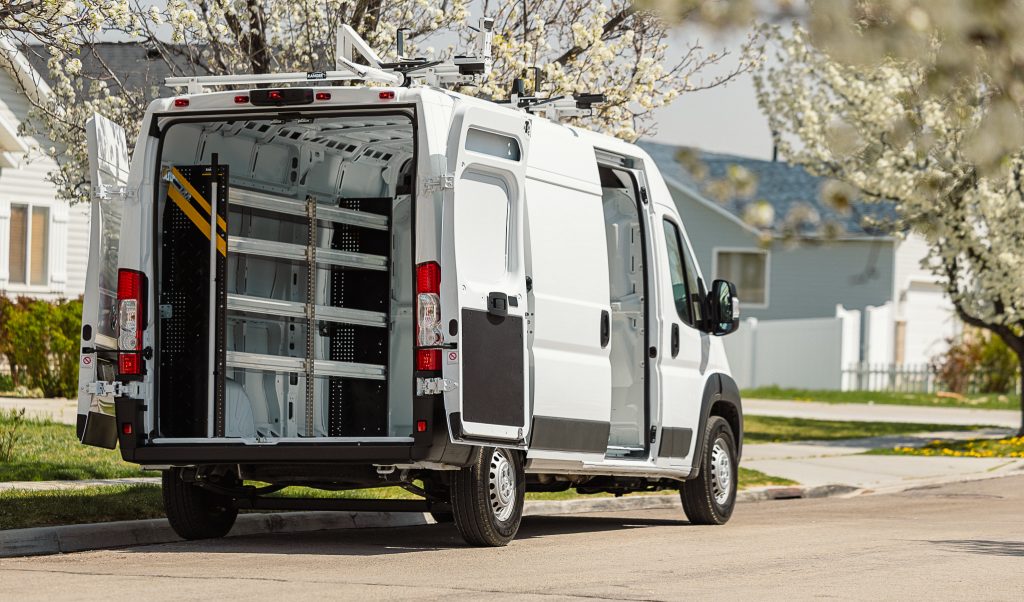
Kingbee vans come upfitted with shelves and racks that are specially designed to add efficiency in the field, and each van can be wrapped to match the rest of the fleet. We keep our entire process in house, resulting in a staggering turnaround time of 2–4 weeks. Contact Kingbee today for a free fleet assessment and to learn more about how you can streamline your vehicle procurement.