Getting a package to its destination may be the final step in the supply chain, but it’s often one of the most operationally complex.
Last-mile delivery costs have become a critical consideration for retailers, logistics providers, and delivery operators working to balance customer expectations with profitability.
From driver labor and route density to vehicle utilization and operational efficiency, several factors influence the economics of getting products from a distribution point to the customer.
As delivery networks expand, understanding these costs is essential to building operations that can grow sustainably.
Delivery Speed Is Only Part of the Equation
Fast delivery has become an important part of the customer experience, but speed alone doesn’t determine whether a delivery operation is profitable.
A company may be able to offer faster delivery by adding vehicles, increasing driver coverage, or expanding its distribution network.
However, those improvements can also increase operating costs.
More vehicles require additional investment, maintenance, insurance, and management. More delivery routes may require additional drivers and infrastructure.
The challenge is balancing customer expectations with the cost of meeting them.
For logistics providers, improving efficiency can be just as important as increasing delivery speed.
Why Route Density Matters
One of the most important factors in last-mile delivery economics is route density.
Put simply, route density refers to how many deliveries can be completed within a given geographic area or route.
When drivers can make more deliveries within a smaller area, they may spend less time traveling between stops.
That can improve productivity and reduce the operating cost associated with each delivery.
Lower-density routes present a different challenge.
Drivers may need to travel longer distances between deliveries, increasing fuel consumption, vehicle wear, and labor time.
This makes geographic coverage an important consideration when businesses evaluate new delivery markets.
Expanding into a new area may create revenue opportunities, but the economics depend on more than the number of potential customers.
Delivery volume, route design, vehicle requirements, and operating distance all influence whether the expansion makes financial sense.
Vehicle Utilization Has a Direct Impact on Costs
Commercial vehicles are essential to last-mile operations, but they also represent a significant expense.
Whether vehicles are owned, leased, or rented, businesses must consider the cost of keeping them available and operational.
A vehicle operating consistently at productive capacity can help spread its associated costs across more deliveries.
A vehicle that spends much of its time idle may generate fewer opportunities to recover those expenses.
However, maximizing utilization isn’t as simple as keeping every vehicle on the road at all times.
Businesses also need to account for maintenance, unexpected breakdowns, seasonal demand, and changes in route requirements.
Operating with too little available capacity can create service disruptions, while maintaining too much can increase unnecessary costs.
The most efficient fleet is one that aligns vehicle availability with actual delivery demand.
Labor and Operational Complexity
Vehicles are only one component of last-mile delivery costs.
Driver wages, scheduling, training, turnover, and operational coordination can have a significant influence on profitability.
Delivery operations also require planning, dispatching, customer communication, and exception management when something doesn’t go according to plan.
As delivery networks expand, these responsibilities can become more complex.
For businesses operating across multiple markets, consistency becomes especially important.
Standardized processes, clear performance metrics, and reliable operational infrastructure can help companies manage that complexity.
Technology can also support more efficient routing, scheduling, and communication, reducing the amount of manual coordination required.
The Challenge of Fluctuating Demand
Delivery demand rarely remains consistent throughout the year.
Retail promotions, holidays, seasonal shopping patterns, and changes in consumer behavior can create significant fluctuations in volume.
During peak periods, businesses may need additional drivers, vehicles, and delivery capacity.
During slower periods, that same capacity may be underutilized.
This creates a difficult planning challenge.
Building an operation large enough to accommodate peak demand can increase fixed costs throughout the rest of the year.
Maintaining a smaller operation may reduce expenses during slower periods but create capacity shortages when demand increases.
For many logistics providers, the solution involves a combination of demand forecasting, operational planning, and flexible capacity.
Rather than treating every increase in volume as a permanent expansion, businesses can evaluate which resources need to remain consistent and which can adjust with demand.
The Growing Importance of Fleet Infrastructure
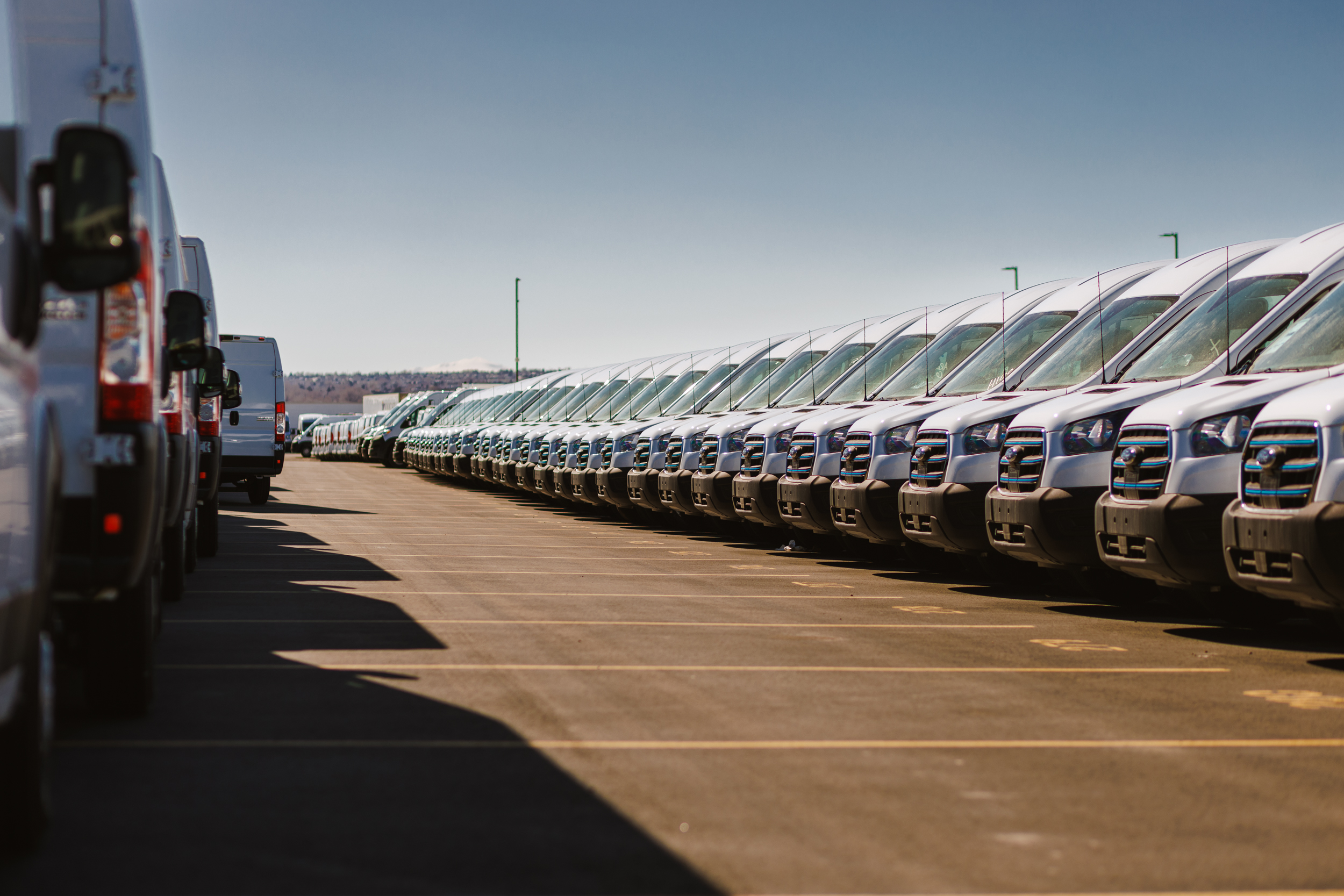
As delivery networks expand geographically, the infrastructure supporting those operations becomes increasingly important.
Vehicle sourcing, transportation, maintenance, storage, and local support all influence how efficiently a fleet can operate.
For businesses expanding into multiple markets, managing these requirements independently in every location can create additional costs and complexity.
Regional infrastructure and centralized fleet management can help businesses coordinate resources more effectively.
Access to vehicles closer to where they’re needed may reduce transportation requirements, while consistent maintenance and operating processes can improve reliability across locations.
These considerations are especially relevant for companies managing large or geographically distributed delivery networks.
Measuring What Actually Matters
As the economics of last-mile delivery become more complex, businesses need a clear understanding of the factors influencing profitability.
Delivery volume alone doesn’t tell the whole story.
Operational metrics such as cost per delivery, deliveries per route, vehicle utilization, driver productivity, downtime, and cost per mile can provide a more complete picture of performance.
Tracking these measures can help businesses identify inefficiencies, evaluate new markets, and make more informed decisions about resource allocation.
For example, increasing delivery volume may appear positive, but if the cost of serving those deliveries rises faster than revenue, growth may not translate into improved profitability.
The objective is not simply to deliver more packages. It’s to deliver them more efficiently.
What’s Next for Last-Mile Delivery?
The last-mile delivery industry will continue to face pressure to balance customer expectations with operational costs.
As networks grow and delivery requirements become more complex, businesses will need to think carefully about how they allocate resources, manage vehicles, and design their operations.
Technology, route optimization, fleet flexibility, and regional infrastructure all have roles to play in improving efficiency.
But no single solution will determine success.
The companies best positioned for long-term growth will be those that understand their operating costs, make informed investments, and build delivery networks capable of adapting as demand changes.
The future of last-mile delivery won’t be defined by speed alone. It will also depend on how efficiently businesses can deliver at scale.