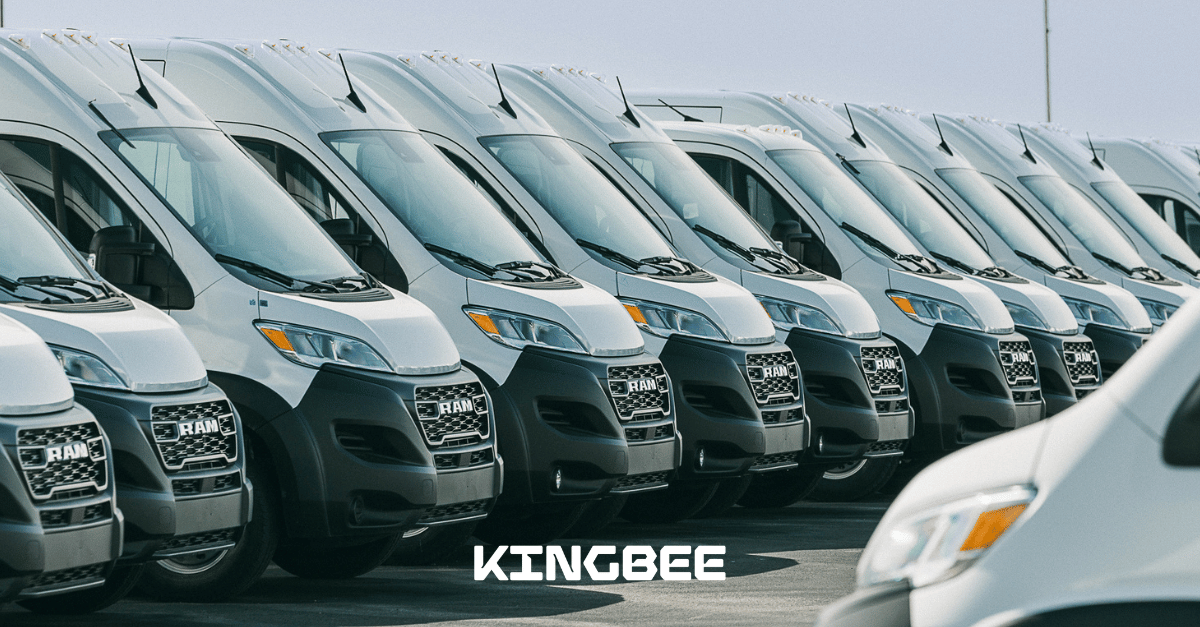
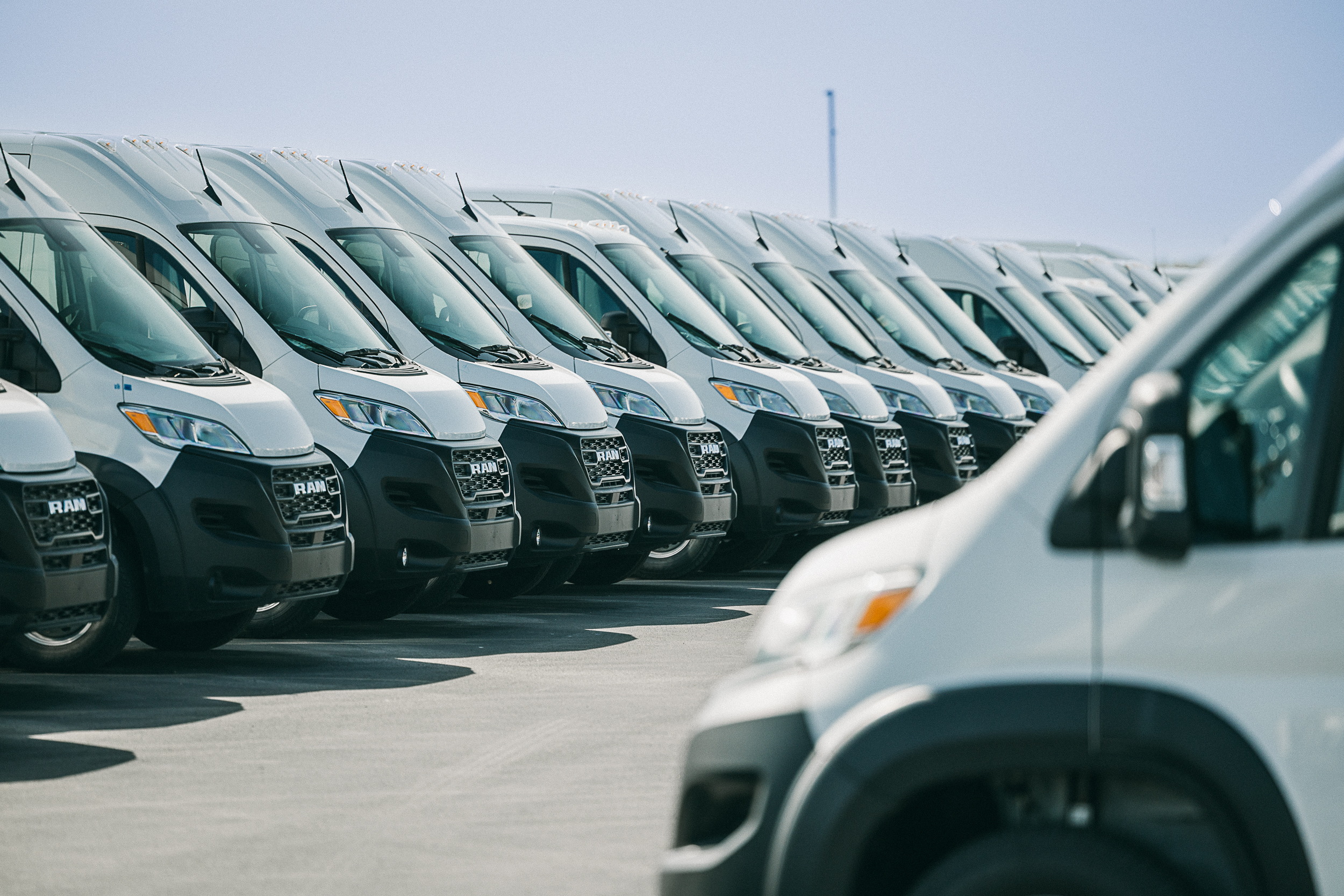
In a fast-moving market, the ability to scale your fleet quickly can be the difference between winning new business and missing an opportunity.
For businesses operating in logistics, last-mile delivery, and commercial services, fleet capacity directly impacts growth. New contracts, geographic expansion, seasonal demand, and changing customer expectations all require businesses to adapt quickly.
But traditional fleet ownership doesn’t always provide that flexibility. Purchasing vehicles requires significant capital, long-term planning, and time for procurement, customization, and deployment.
As businesses look for ways to operate more efficiently, fleet scalability is becoming more than an operational consideration. It’s becoming a competitive advantage.
The Challenge With Traditional Fleet Models
For decades, businesses have relied on purchasing vehicles to build and maintain their fleets. While ownership has its advantages, it can also limit how quickly a company responds to changing demand.
Expanding an owned fleet often means navigating vehicle availability, financing, upfitting, transportation, and ongoing maintenance. By the time additional vehicles are ready, the opportunity that prompted the expansion may have already passed.
At the same time, purchasing enough vehicles to accommodate peak demand can leave businesses with underutilized assets during slower periods.
For enterprise operators managing fleets across multiple markets, these challenges become even more complex.
The result? Businesses may find themselves choosing between investing in vehicles they don’t always need or risking insufficient capacity when demand increases.
1. Faster Fleet Deployment Means Faster Growth
When a new business opportunity arises, speed matters.
Whether it’s launching operations in a new market, onboarding a major customer, or expanding delivery capacity, businesses need vehicles ready to work—not months of procurement delays.
Companies that can deploy vehicles quickly are better positioned to pursue opportunities without waiting for their fleet infrastructure to catch up.
A scalable fleet strategy allows businesses to respond to demand as it happens, rather than planning every expansion around vehicle purchasing timelines.
Commercial vehicle rentals can help bridge that gap by providing access to work-ready vehicles without the lengthy acquisition process associated with ownership.
2. Flexibility Helps Businesses Manage Changing Demand
Demand rarely stays consistent throughout the year.
Retailers experience seasonal peaks. Delivery companies take on new routes. Commercial service providers expand into new territories or experience fluctuations in customer demand.
A fleet sized for the busiest time of year may become an unnecessary expense when business slows down.
On the other hand, a fleet sized for average demand can leave businesses struggling to meet customer expectations during peak periods.
Flexible fleet solutions allow companies to adjust vehicle capacity as their needs evolve.
By combining owned vehicles with rentals, businesses can maintain a reliable core fleet while adding capacity for seasonal demand, new contracts, or temporary projects.
This approach helps companies stay responsive without committing to permanent fleet expansion every time demand increases.
3. Reducing Capital Commitments Creates Room for Investment
Commercial vehicles represent a significant financial commitment, especially for businesses operating large fleets.
Beyond the initial purchase price, ownership comes with ongoing expenses, including maintenance, repairs, depreciation, insurance, and eventual replacement.
For growing businesses, capital tied up in vehicles is capital that can’t be used elsewhere.
Renting part of a commercial fleet can help businesses preserve working capital for other priorities, including hiring, technology, infrastructure, and market expansion.
It also allows businesses to evaluate new opportunities without immediately committing to long-term vehicle ownership.
The goal isn’t necessarily to eliminate ownership. It’s to create a fleet strategy that supports growth without unnecessarily limiting financial flexibility.
4. Nationwide Operations Require More Than Vehicle Availability
For enterprise businesses, scaling a fleet isn’t simply about adding more vehicles. It’s about getting the right vehicles to the right locations at the right time.
Managing fleets across multiple markets introduces additional challenges, from coordinating vehicle transportation to handling maintenance and maintaining consistent operational standards.
A scalable fleet strategy requires infrastructure that can support expansion across locations.
Working with a nationwide fleet provider can help businesses simplify these logistics through centralized fleet management, local operational support, and access to vehicles across multiple markets.
This becomes especially valuable for businesses expanding their delivery networks, launching new service territories, or managing large-scale fleet operations.
5. Better Fleet Visibility Supports Smarter Decisions
As fleets grow, so does the complexity of managing them.
Tracking vehicle availability, monitoring utilization, coordinating maintenance, and managing rental expenses can quickly become overwhelming when information is spread across multiple systems.
Without centralized visibility, businesses risk unnecessary administrative work, underutilized vehicles, and delayed operational decisions.
Digital fleet management tools help simplify these processes by giving operators easier access to the information they need.
From managing rental agreements and tracking expenses to completing inspections and monitoring maintenance requirements, technology can make scaling a fleet more manageable.
For enterprise operators, centralized reporting and integrations with existing systems can further improve visibility and operational efficiency across markets.
Scalability isn’t just about having more vehicles. It’s about having the systems in place to manage them effectively.
Building a Fleet That Can Grow With Your Business
The most effective fleet strategy isn’t always the one with the most vehicles. It’s the one that gives a business the capacity to meet demand without creating unnecessary costs or operational complexity.
For some companies, that means maintaining an owned fleet and supplementing it with rentals. For others, a rental-first approach may provide the flexibility needed to enter new markets or support rapidly changing operations.
As businesses face increasing pressure to move faster, operate more efficiently, and adapt to changing demand, fleet scalability will continue to play an important role in long-term growth.
Scale Your Fleet With Kingbee Vans
At Kingbee Vans, we help businesses access the commercial vehicles they need without the capital requirements and complexities of traditional fleet ownership.
With work-ready commercial vans, flexible rental options, a growing nationwide network of hubs, and digital fleet management tools, Kingbee helps businesses expand their operations while keeping fleet management simple.
Whether you’re supporting last-mile delivery, expanding into new markets, or managing a nationwide commercial fleet, we’re building solutions designed to grow alongside your business.
Your next opportunity shouldn’t have to wait on your fleet.
Explore scalable commercial fleet solutions at kingbee-vans.com.